Ramsay Bolton
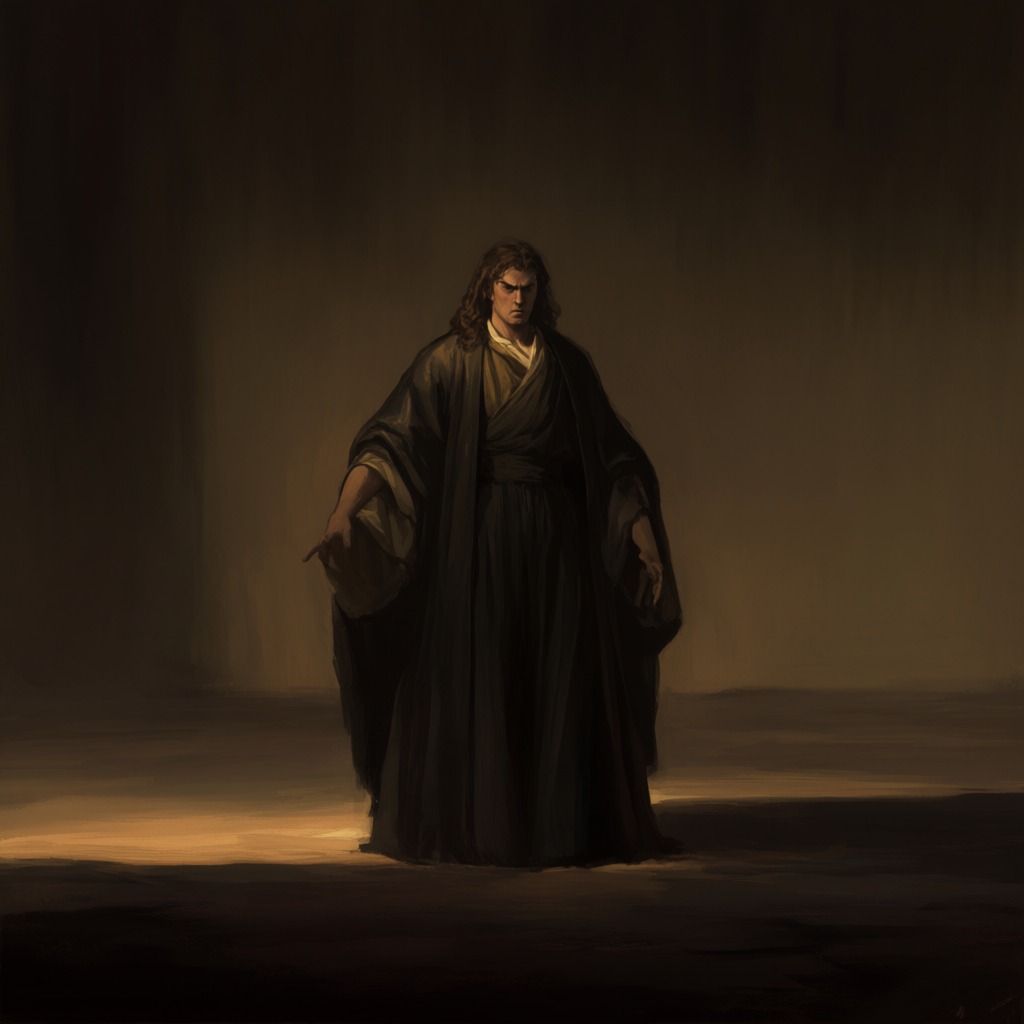
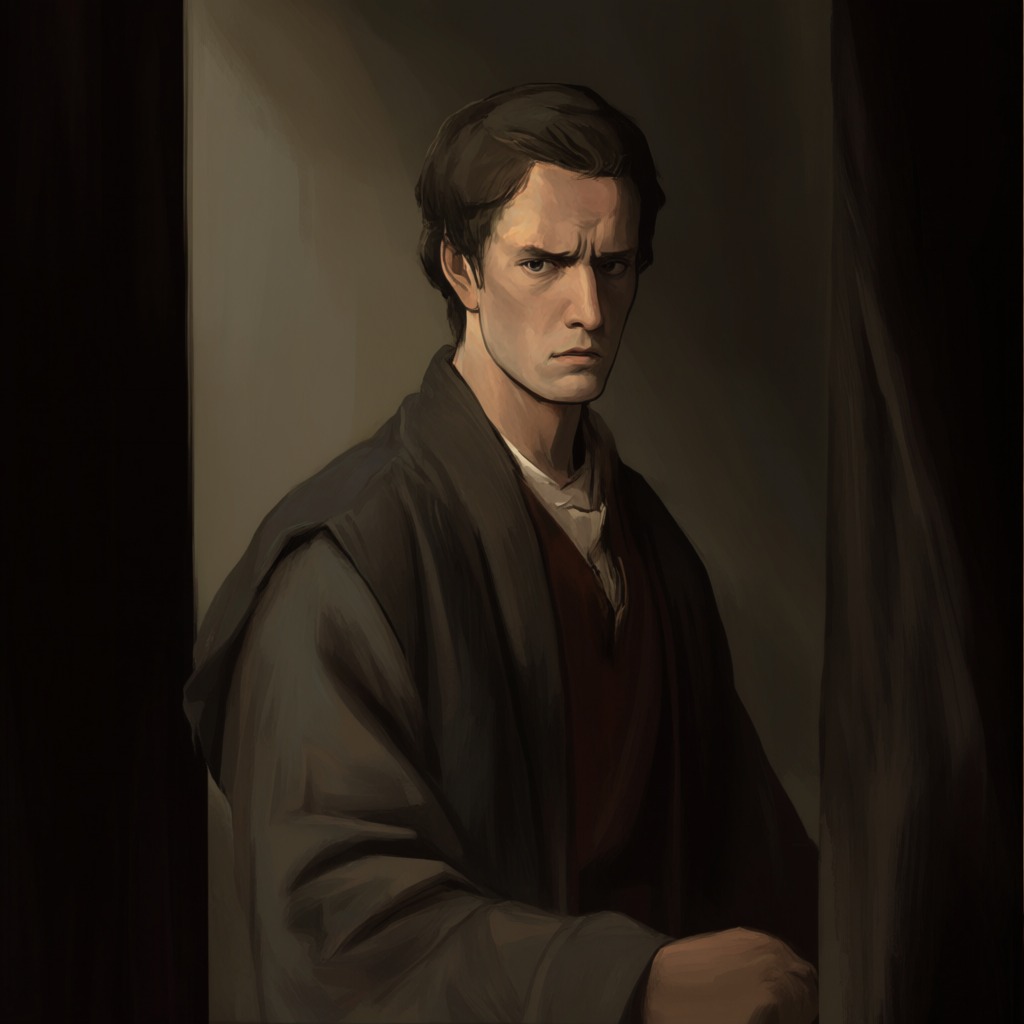
Ramsay Bolton, born Ramsay Snow, is the legitimized bastard son of Roose Bolton, Lord of the Dreadfort. He is a figure of almost unimaginable cruelty, whose primary tools are fear, pain, and psychological domination. His actions throughout the narrative establish him as the most monstrous human antagonist in the north, a man who delights in the suffering of others and uses it as a means of control.
Identity and Background
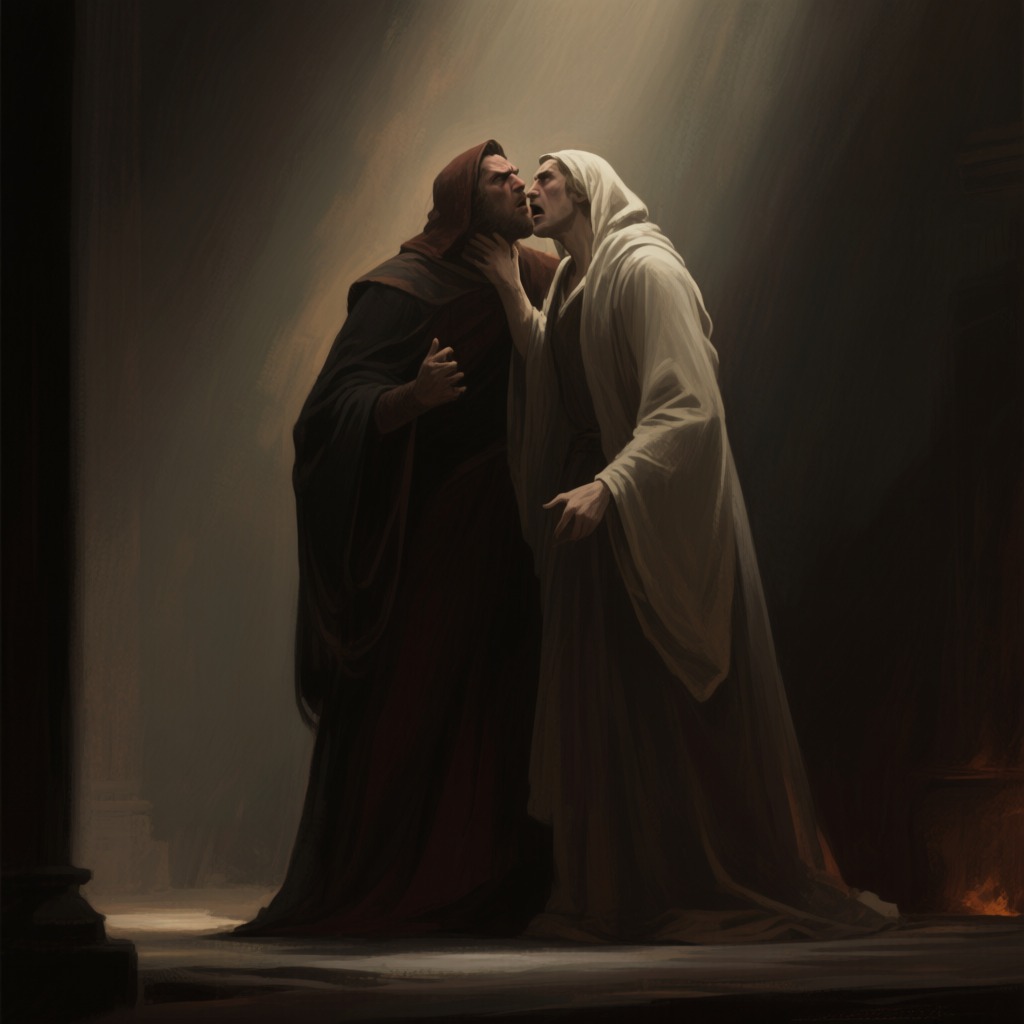
Ramsay is the product of rape, a fact his father Roose recounts with chilling detachment. Roose Bolton, while hunting, came upon a miller's young wife and, claiming his lord's right to the first night, raped her. A year later, she appeared at the Dreadfort with a squalling infant who had his father's pale eyes. Roose spared the child but kept his paternity a secret, giving the boy to his mother and later providing him with a servant named Reek, a stinking creature who became Ramsay's inseparable companion. Roose himself wonders whether it was Ramsay who corrupted Reek, or Reek who corrupted Ramsay. Ramsay's trueborn brother, Domeric, a promising and accomplished young man, rode to seek out his bastard brother against his father's wishes. Soon after, Domeric died of a "sickness of the bowels," which Roose believes was poison administered by Ramsay. This act of fratricide left Roose with only his monstrous son as his heir.
Life and Plot Trajectory
Ramsay's trajectory is one of rising power built on a foundation of atrocity. He first appears as the Bastard of Bolton, a cruel and cunning figure who captures Theon Greyjoy after the fall of Winterfell. He systematically tortures and breaks Theon, flaying his skin, removing his teeth and fingers, and psychologically dismantling his identity until Theon becomes the abject creature known as Reek. Ramsay uses Reek as a tool, sending him to secure the surrender of Moat Cailin from the ironborn by pretending to be Theon Greyjoy, a prince of the Iron Islands. After this success, he is legitimized by the Iron Throne and becomes Ramsay Bolton, Lord of the Hornwood. He then marries a woman he believes to be Arya Stark—actually Jeyne Poole, a steward's daughter—in a ceremony at Winterfell, a political move to solidify Bolton control over the north. He treats his new bride with the same cruelty he shows all his victims, forcing her to submit to his will and using Reek to prepare her for his bed. His final act in the narrative is to send a letter to Jon Snow at Castle Black, boasting of his victory over Stannis Baratheon, claiming to have Mance Rayder in a cage, and demanding the return of his "bride" along with other hostages, threatening to cut out Jon's heart and eat it.
Key Actions and Objectives
Ramsay's primary objective is power and the infliction of pain. His actions are driven by a need to dominate and a sadistic pleasure in the suffering of others. He hunts women for sport, stripping them naked and setting them loose in the woods with hounds and horns. He flays his enemies and those who displease him, keeping their skins as trophies. His treatment of Theon is a masterclass in psychological and physical torture, designed to erase Theon's former identity and replace it with that of a groveling, terrified dog. He uses his pack of hounds, named after the women he has hunted and killed, as both weapons and companions. His marriage to the false Arya is a calculated act of political theater, designed to legitimize his claim to Winterfell and the north. His letter to Jon Snow is a final, arrogant assertion of his power, a declaration of war against the Night's Watch and a demand for total submission.
Relationships and Conflict
Ramsay's relationships are defined by his cruelty. His father, Roose, views him with a mixture of contempt and pragmatic necessity, acknowledging his son's bad blood and lack of subtlety. Roose warns Ramsay that he must learn to be more discreet and that fear is not the same as respect. Ramsay's relationship with his creature, Reek, is the most complex. He has broken Theon so completely that Theon identifies himself only as Reek, a name that rhymes with "weak" and "freak." Ramsay uses this bond to control Theon, alternating between promises of reward and threats of further torture. His conflict with the Starks is the central political axis of his story, as he seeks to usurp their place as the rulers of the north. His conflict with Jon Snow is personal and direct, stemming from Jon's decision to send Mance Rayder and the spearwives to rescue the false Arya.
Change and Ending
Ramsay Bolton does not undergo any meaningful change or redemption. He remains a static figure of pure, unadulterated evil throughout the narrative. His power grows, but his nature does not. The ending of his arc in A Dance with Dragons is a cliffhanger of impending conflict. His letter to Jon Snow is a declaration of war, and Jon's decision to march south against him sets the stage for a direct confrontation. Ramsay's fate is left unresolved, but his actions have set in motion a chain of events that will likely lead to his downfall. His story ends with him in a position of apparent strength, but his cruelty has made him enemies on all sides, and the seeds of his destruction have been sown.
Narrative Role and Evaluation
Ramsay Bolton serves as the ultimate human antagonist in the northern storyline, a figure of pure, sadistic evil who contrasts with the more complex and morally ambiguous villains like his father, Roose. He is a force of chaos and destruction, a monster in human form who embodies the worst aspects of the Boltons' cruel legacy. His role is to create a sense of dread and hopelessness, to demonstrate the depths of human depravity, and to provide a clear, unambiguous enemy for the protagonists to rally against. His torture of Theon is one of the most harrowing and psychologically detailed depictions of cruelty in the series, and his letter to Jon Snow is a masterful piece of villainous rhetoric, full of threats and boasts that reveal his arrogance and his complete lack of empathy. He is a character who is impossible to sympathize with, and his eventual defeat is positioned as a necessary and cathartic event.